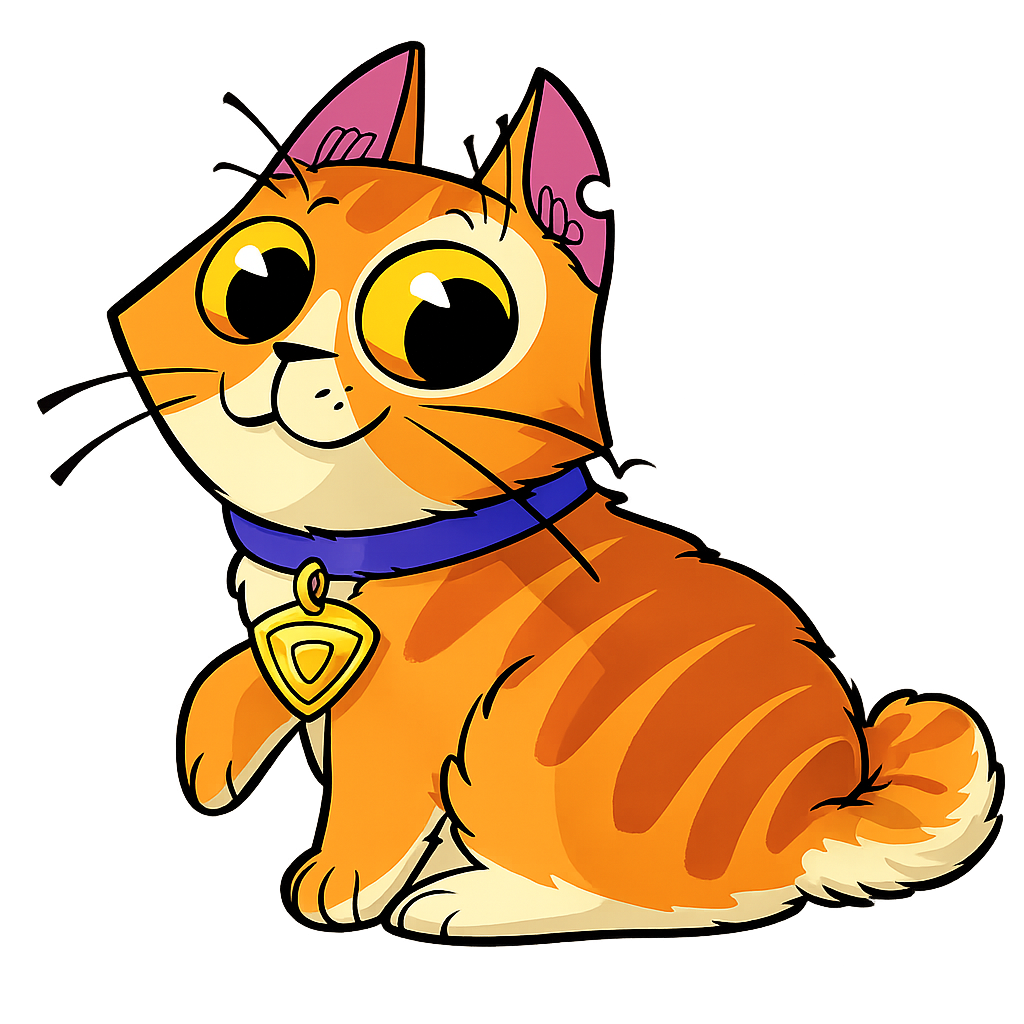
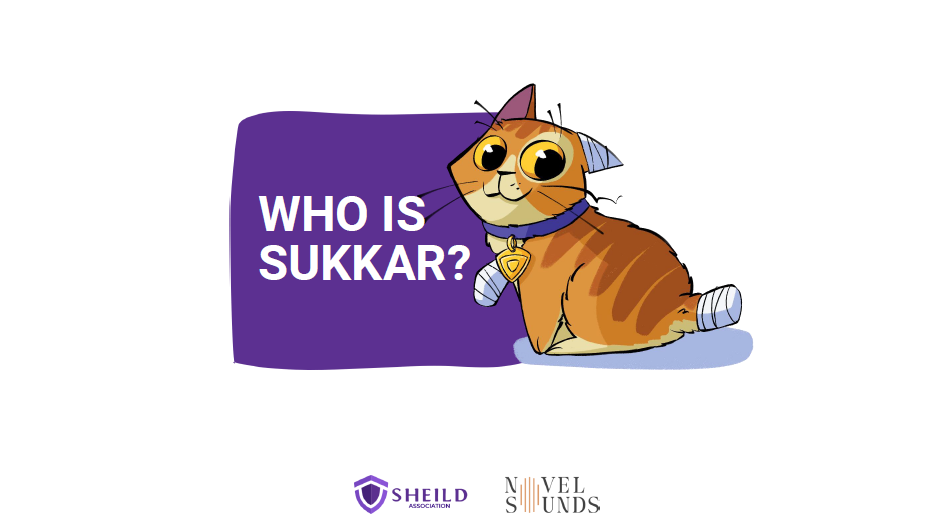
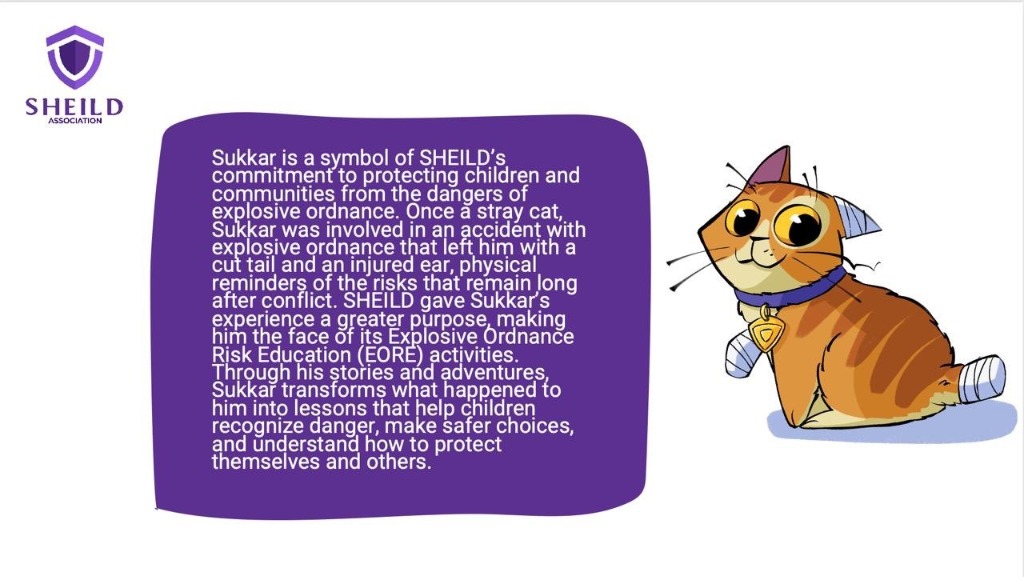
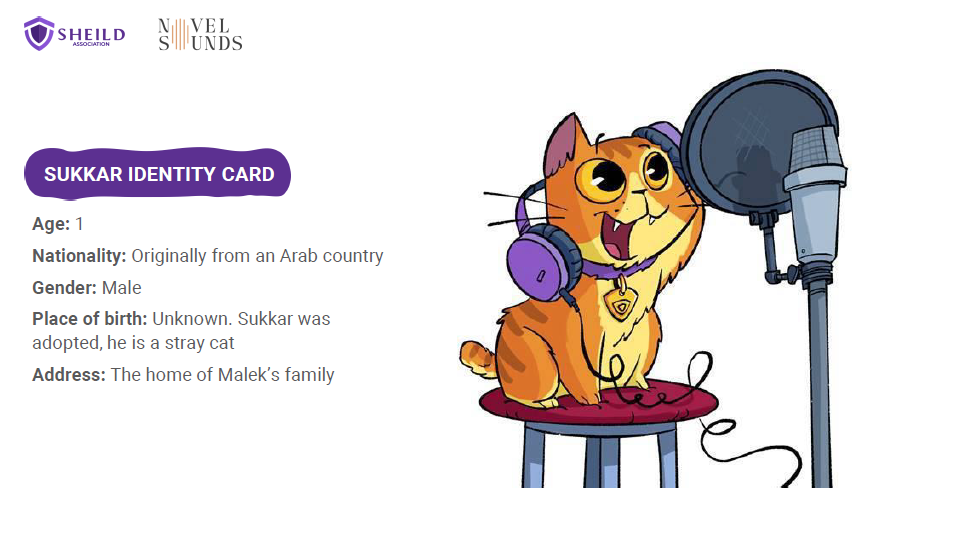
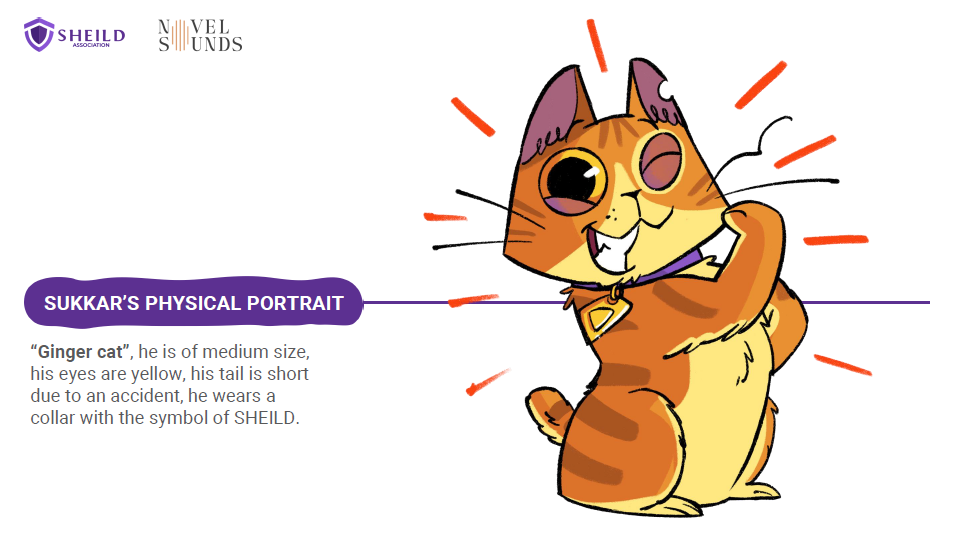
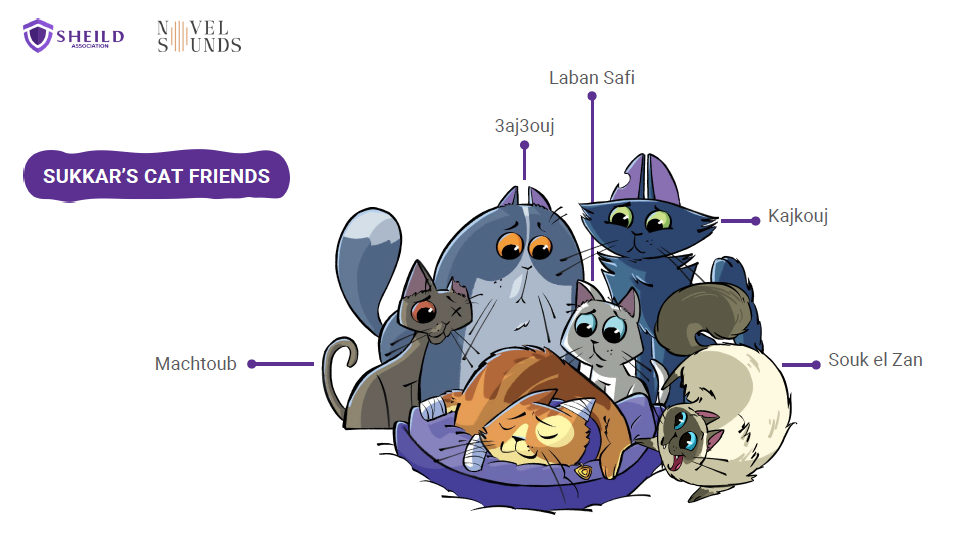
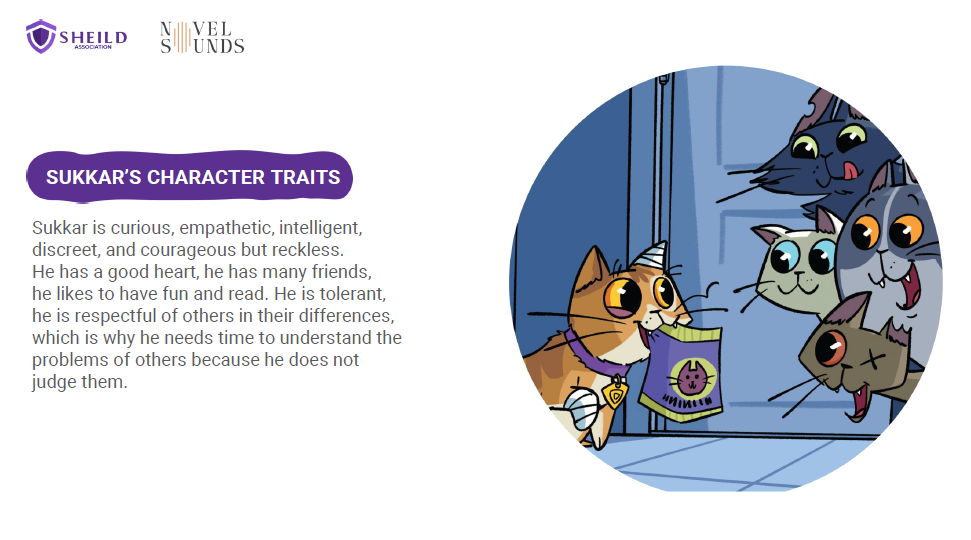
Sukkar is the central character in a series of age-appropriate educational stories developed for children exposed to the risks of war remnants.
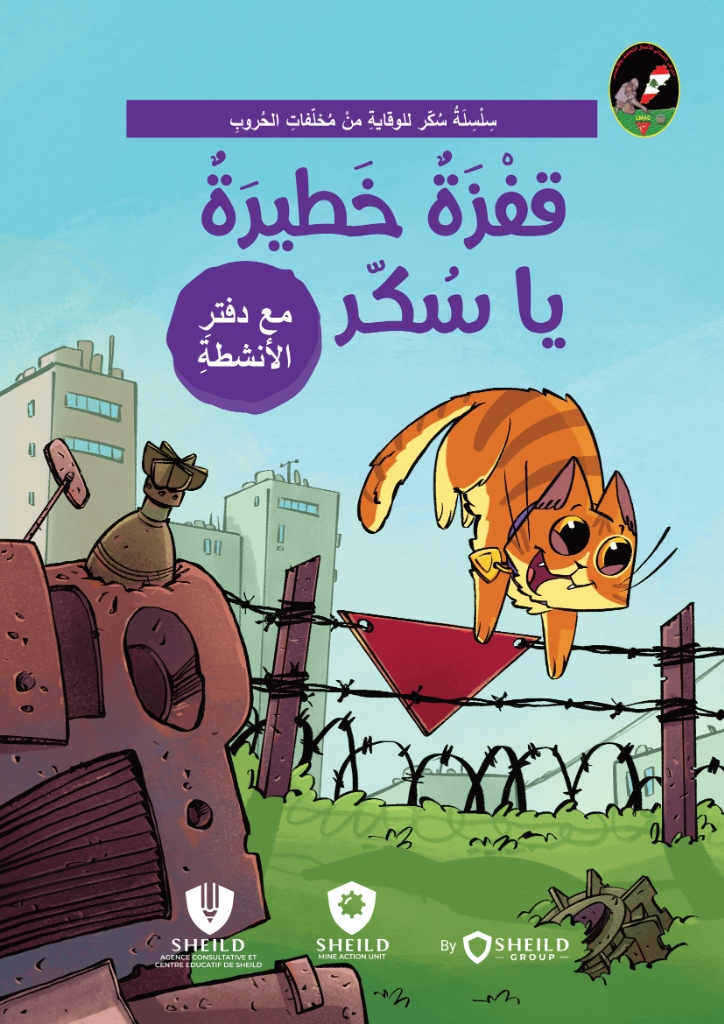
A Dangerous Jump, Sukkar
A story for children aged 5 to 7, designed to be read with parents, teachers, or caregivers. It introduces the dangers of explosive remnants of war through a simple and engaging situation.
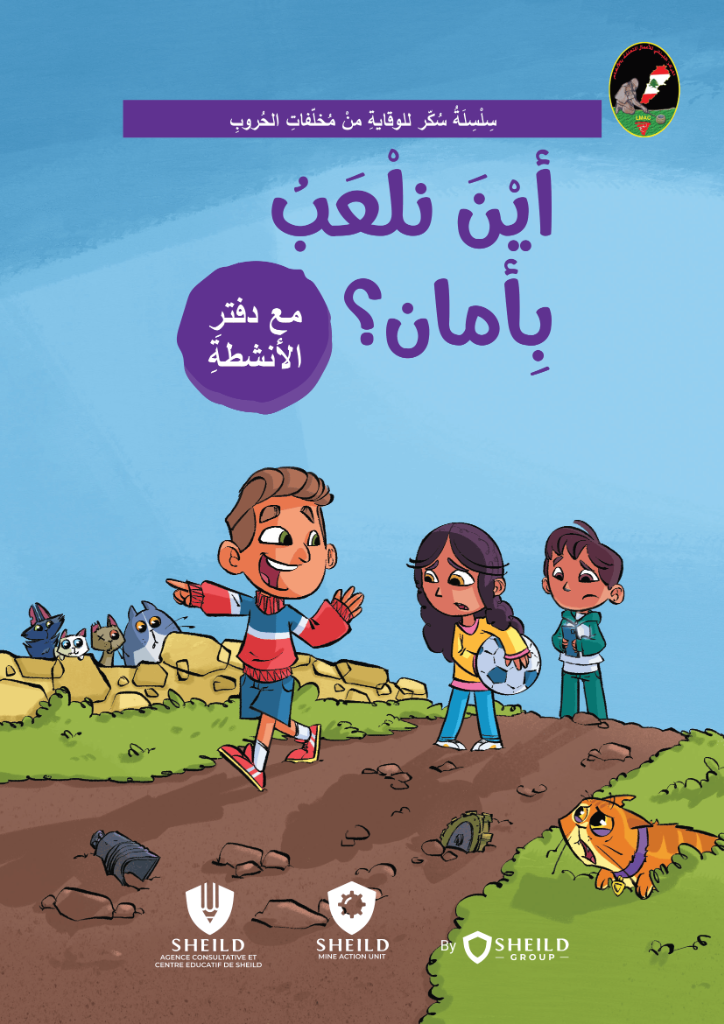
Where Can We Play Safely?
Created for children aged 8 to 11, this story uses short sentences, accessible vocabulary, and repetition to help young readers identify safe and unsafe places.
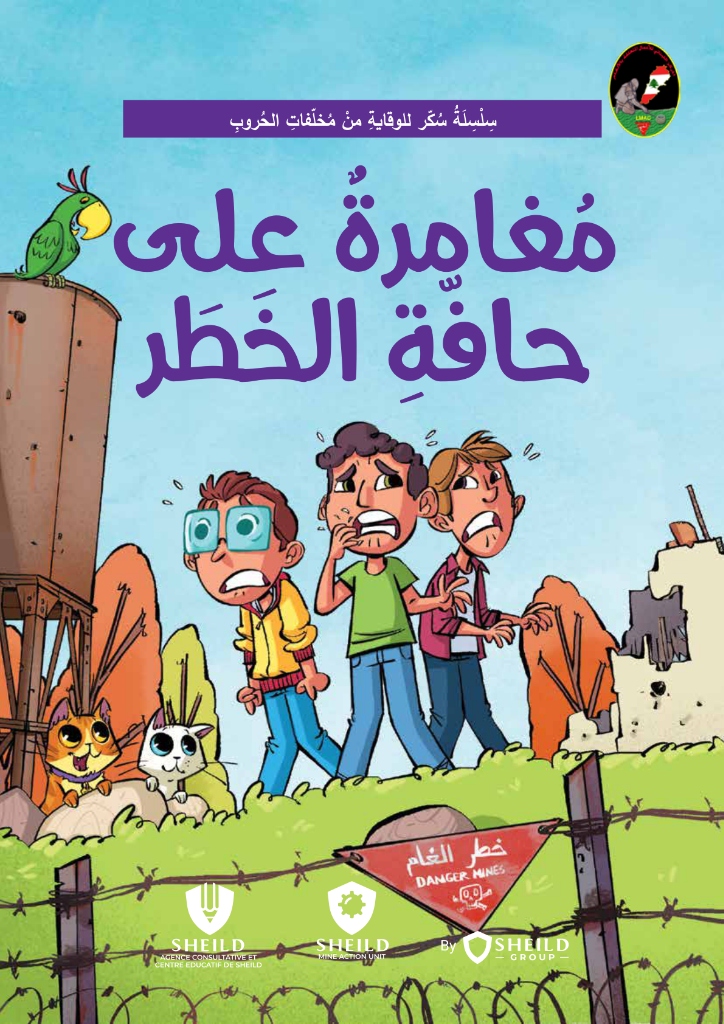
Adventure at the Edge of Danger
Designed for children aged 12 to 15, the story explores the dangers of unexploded ordnance and encourages responsible behaviour, awareness, and reporting.
Discover the Sukkar Augmented Reality Experience
The Sukkar Augmented Reality Application transforms traditional risk education into an interactive learning experience.
Children can bring Sukkar’s activities to life through animation, answer educational questions, and practise responding to dangerous situations. Their responses can be securely collected and analysed to help educators monitor understanding, measure progress, and improve future activities.
Play
Animations and augmented-reality experiences make safety messages engaging and memorable.
Learn
Children explore danger signs, suspicious objects, emergency behaviour, and safe reporting procedures.
Analyse
Interactive questions help assess what children have understood, while collected results support monitoring and impact analysis.
Sukkar’s educational tools include:
- 🐾Illustrated storybooks for different age groups
- 🐾Augmented-reality colouring activities
- 🐾EORE songs and child-friendly videos
- 🐾Posters and visual awareness materials
- 🐾Arabic Braille resources for visually impaired participants
- 🐾Activities adapted for schools and community settings
Through Sukkar, SHEILD combines creativity, technology, inclusion, and humanitarian expertise to make life-saving information understandable and memorable.
Working With Communities
SMAU places communities at the centre of its work. Its activities are developed according to the age, abilities, vulnerabilities, and needs of each audience.
By working with national authorities, municipalities, schools, local organisations, humanitarian partners, parents, and caregivers, the unit ensures that safety information reaches those most at risk and reflects the realities they face.